







The dilemma of an emigrant in the struggle for dignity and António Varela’s appeal for compassion
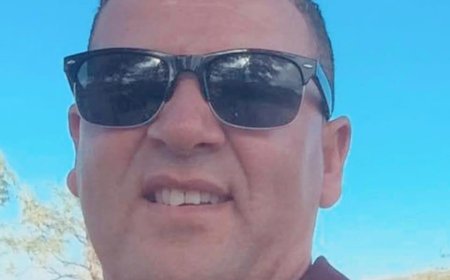
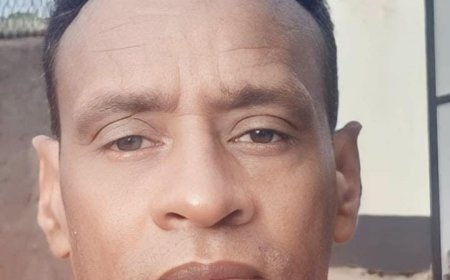
Pawtucket, July 30, 2026 (Bravanews) — Every return to one’s roots carries with it an emotional weight that transcends geographical distance. For António Varela, his trips to Cape Verde are no longer merely visits to reconnect with his roots; they have come to represent a profound confrontation with the social inequalities of the archipelago, generating a constant mix of gratitude and unease.
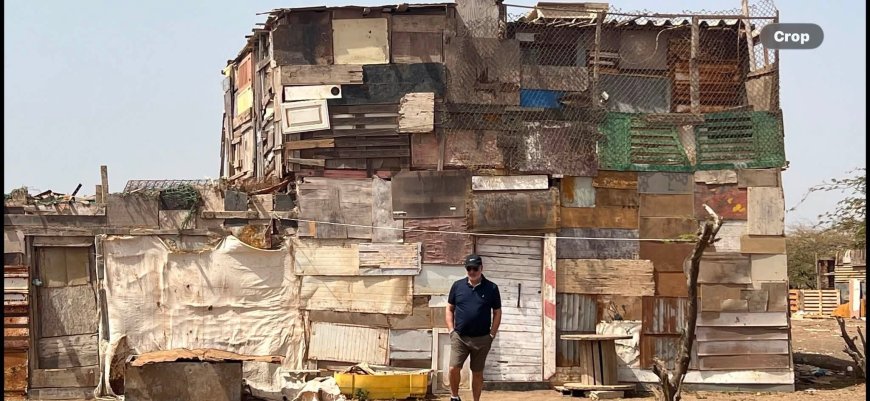
António Varela’s journey mirrors that of so many Cape Verdeans who found the conditions to thrive abroad. Looking back, he recognizes the decisive impact that the opportunity to emigrate to the United States had on his life, allowing him to build a solid foundation and open doors he could never have dreamed of when he was just a young man growing up in his native country.
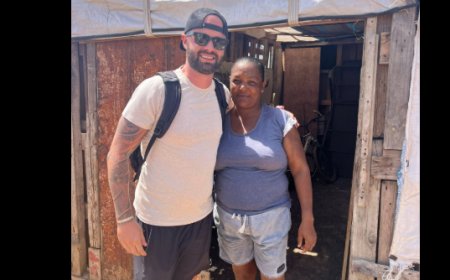
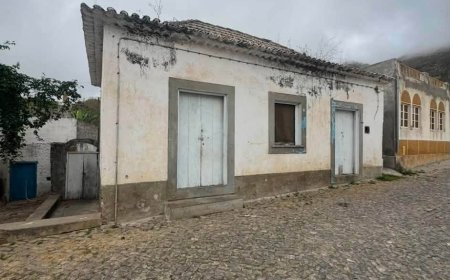
However, this sense of personal achievement is inevitably accompanied by profound sadness upon realizing the reality faced by those left behind. Every day, thousands of Cape Verdeans continue to face situations of extreme vulnerability, with inadequate housing, food insecurity, limited access to healthcare, and a persistent lack of opportunities.
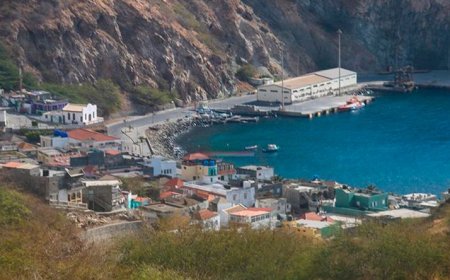
Although he strives to support and intervene whenever possible, Varela admits to feeling frustrated that individual actions, no matter how dedicated, sometimes seem insufficient in the face of the scale of the needs he observes in society. For him, the country’s undeniable natural beauty cannot—and should not—mask the harsh obstacles faced by its people.
In his view, the persistence of these problems demonstrates that resources, opportunities, and public policies have not always been managed or distributed in a balanced manner over time, failing in the fundamental duty to protect and promote the dignity of all citizens.
Faced with this scenario, António Varela issues a direct appeal for reflection and empathy to those who read these stories and choose to move on without being moved. He urges everyone to engage in an exercise of introspection, reminding us that the line between prosperity and deprivation is often a matter of luck or of doors that opened for some and remained closed to others.
His testimony takes on philosophical overtones as he addresses the finitude of life and the irrelevance of material possessions accumulated over the years. Varela emphasizes that the true value of human existence does not lie in what one accumulates, but rather in the positive impact one leaves on the world and in the lives one manages to transform.
The final message conveys a glimmer of hope and social commitment, reinforcing that the inability to solve all the world’s ills should not serve as a pretext for inaction. Transforming the life of a single person, he argues, can be enough to completely change the course of that person’s individual universe.
MS